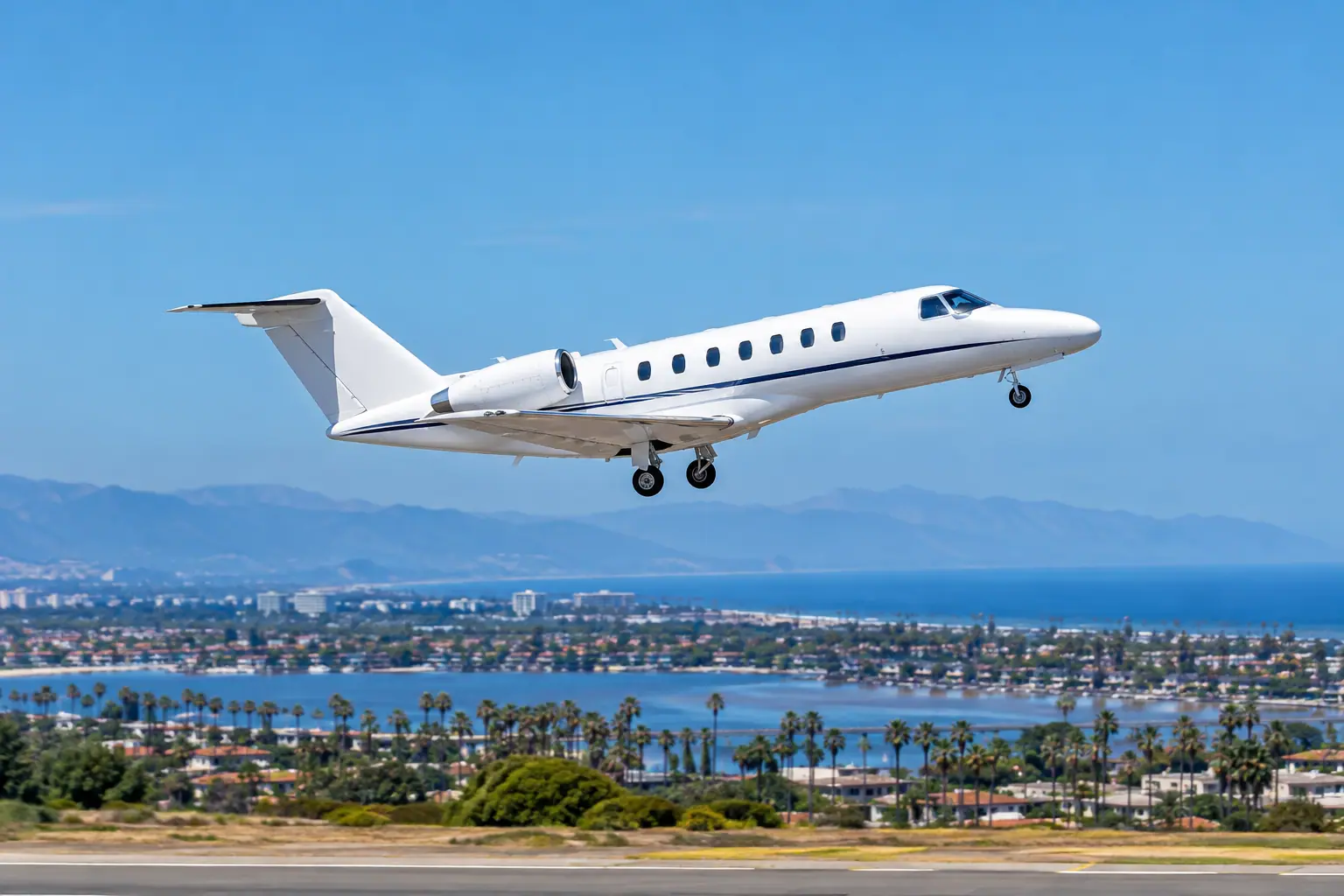
Private jet Los Angeles to San Antonio
Private jet Los Angeles to San Antonio covers 1,061 nm nonstop. A light jet flies the route in about 2 hours 53 minutes with five to seven passengers. This page covers airports, aircraft and pricing on this half-continent leg.
Private jet pricing Los Angeles to San Antonio by aircraft
A private jet flying Los Angeles to San Antonio covers 1,061 nautical miles on a light jet in 2h 53m, with a one-way estimate of $11,000–$17,000.Below are the aircraft classes that make sense between Los Angeles and San Antonio, with estimated flight times and price ranges for the 1,061 nm leg. Turboprops and light jets offer the lowest entry cost, while midsize and larger cabins add stand-up room and baggage capacity. All prices are estimates and vary with date, availability and operator.
| Aircraft class | Flight time | One-way estimate | Notes |
|---|---|---|---|
| Turboprop | 4h 01m | $9,000–$14,000 | Nonstop |
| Light jet | 2h 53m | $11,000–$17,000 | Best fit |
| Midsize jet | 2h 50m | $14,500–$22,000 | Nonstop |
| Super-midsize jet | 2h 40m | $19,000–$26,500 | Nonstop |
| Heavy jet | 2h 40m | $25,500–$38,500 | Nonstop |
Ballparks by aircraft, not by seat, prior to federal excise tax and segment fees. Duration covers taxi, climb and descent.
Why a light jet fits this trip
For this half-continent leg, a light jet pairs range and speed at the lowest sensible cost. The HondaJet Elite II and Citation CJ4 Gen2 both carry five to seven passengers and have the legs for Los Angeles to San Antonio. Light jet pricing runs from $11,000 to $17,000, which is the sweet spot at this distance. Midsize and super-midsize jets buy cabin height and baggage room, but their higher starting points are hard to justify on a trip this length.
If you are carrying more than four passengers with real luggage, then a midsize jet is the better call. Its cabin and baggage capacity are more forgiving for a three-hour flight. A turboprop keeps the entry cost down at $9,000 to $14,000, but four hours in the air erodes that advantage on a route this long. Heavy jets are typically overkill unless you need the cabin for a larger group or a tight schedule.
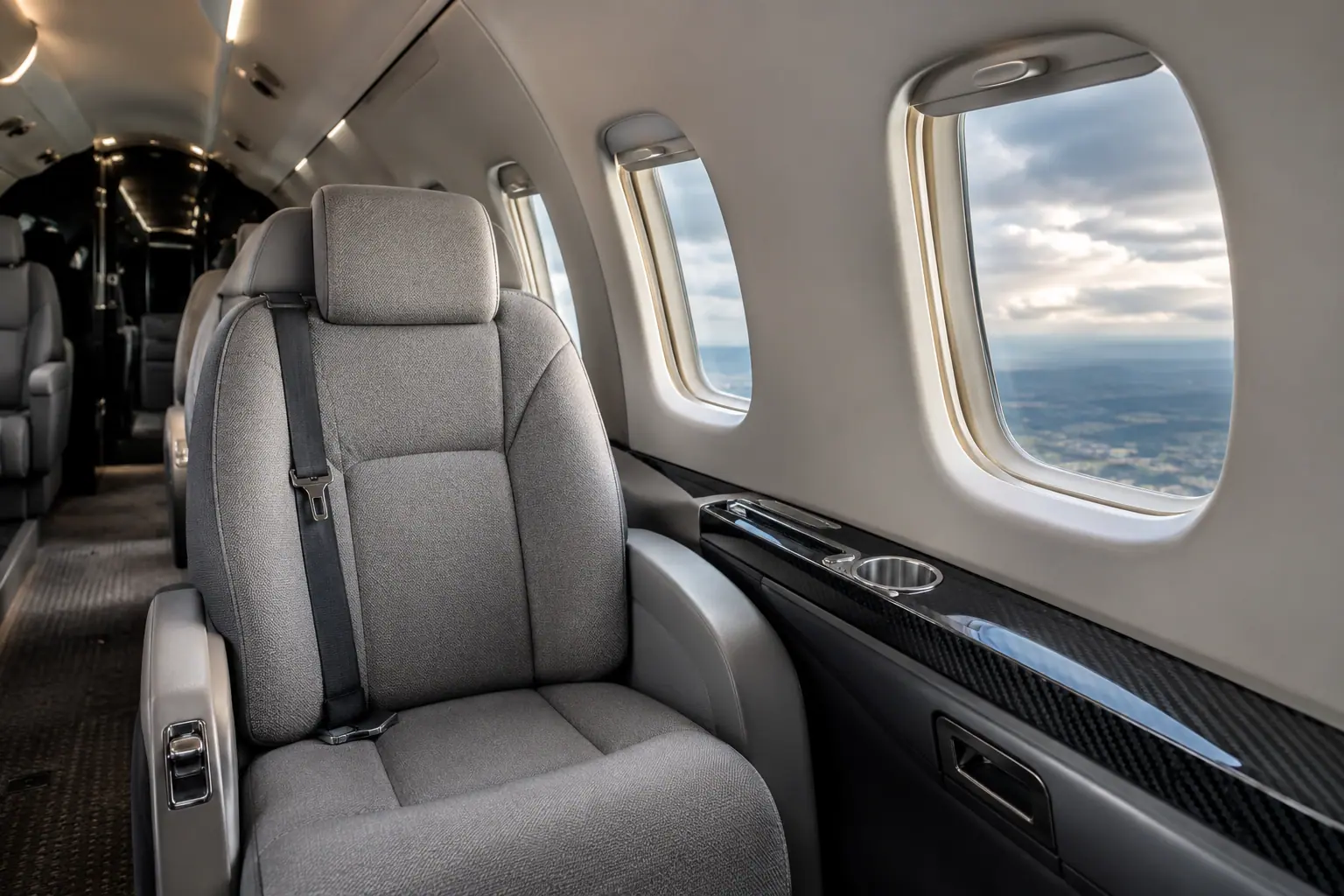
Cessna Citation CJ4 Gen2
- 7 seats
- 451 kt cruise
- 2,165 nm range
4 ft 9 in tall, 17 ft 4 in long cabin. 71 cu ft baggage.
Embraer Phenom 300E
- 7 seats
- 464 kt cruise
- 2,010 nm range
4 ft 11 in tall, 17 ft 2 in long cabin. 84 cu ft baggage.

Departing Los Angeles
Choosing the right Los Angeles departure airport saves time before the 1,061 nm leg even starts. Van Nuys (VNY) is the busiest general aviation field in the region, with an 8,001-foot runway that handles everything from light jets to heavy iron. Hollywood Burbank (BUR) serves the San Fernando Valley and Glendale, while LAX handles larger aircraft and international connections. For a light jet, Van Nuys or Burbank usually means a shorter taxi and quicker departure than LAX.
If your aircraft is positioned elsewhere, then a nearby field can spare you a positioning charge. Most operators will quote from all three Los Angeles airports, so ask which one keeps the price down. On a same-day round trip, an airport close to your home or office matters more than the aircraft type.
Arriving in San Antonio
For private jet Los Angeles to San Antonio flights, San Antonio International is the most flexible arrival point. SAT carries an 8,505-foot runway that accommodates every class, and it sits roughly eight miles from downtown. Stinson Municipal (SSF) is closer to downtown and suits light jets, though its 5,000-foot runway limits larger aircraft. Castroville Municipal (CVB) and Nighthawks Nest (TT45) serve the western and northern edges of the metro.
If your final stop is the Hill Country or the west-side military bases, then Stinson or Castroville can cut your ground time. From SAT, the River Walk, the Alamo and the Pearl district are a short drive. Ask your operator which arrival field minimizes total door-to-door time rather than just flight time. CBP clearance matters only on international legs, so a domestic trip needs no customs stop.
| Airport | Code | Runway |
|---|---|---|
| Van Nuys Airport | KVNY / VNY | 8,001 ft |
| Hollywood Burbank/Bob Hope Airport | KBUR / BUR | 6,886 ft |
| Los Angeles International Airport | KLAX / LAX | 12,894 ft |
| Stinson Municipal Airport | KSSF / SSF | 5,000 ft |
| San Antonio International Airport | KSAT / SAT | 8,505 ft |
| Nighthawks Nest Airport | TT45 | 7,634 ft |
| Castroville Municipal Airport | KCVB | 5,001 ft |
When to book Los Angeles to San Antonio
Demand on the Los Angeles to San Antonio route peaks around major events and holidays. The Alamo Bowl in late December, Fiesta in April and the summer convention season all tighten charter availability and push prices up. Book two to three weeks ahead for those windows; last-minute light jets on this route get scarce. If you can shift your travel by a day, then midweek departures often cost less than Friday or Sunday flights.
Remember that on the return leg you are competing for Los Angeles-bound aircraft, not the other way around. Brokers working DOT Part 295 rules can see which operators already have a tail in San Antonio and will quote a one-way that avoids an empty reposition. Empty legs do appear on this 1,061 nm route when aircraft move for repositioning, and they sometimes sell for a fraction of a standard charter. Treat every quote as an estimate until an operator confirms availability, crew and fees.
Private jet routes similar to Los Angeles to San Antonio
These 6 private jet routes span 911 to 1,320 nautical miles, with one-way light jet estimates running $9,500 to $25,000.
Charlotte → San Antonio
- 2h 38m
- $10,000–$15,500
- 955 nm
Washington, DC → San Antonio
- 3h 57m
- $15,000–$23,000
- 1,189 nm
Las Vegas → San Antonio
- 2h 35m
- $10,000–$15,000
- 933 nm
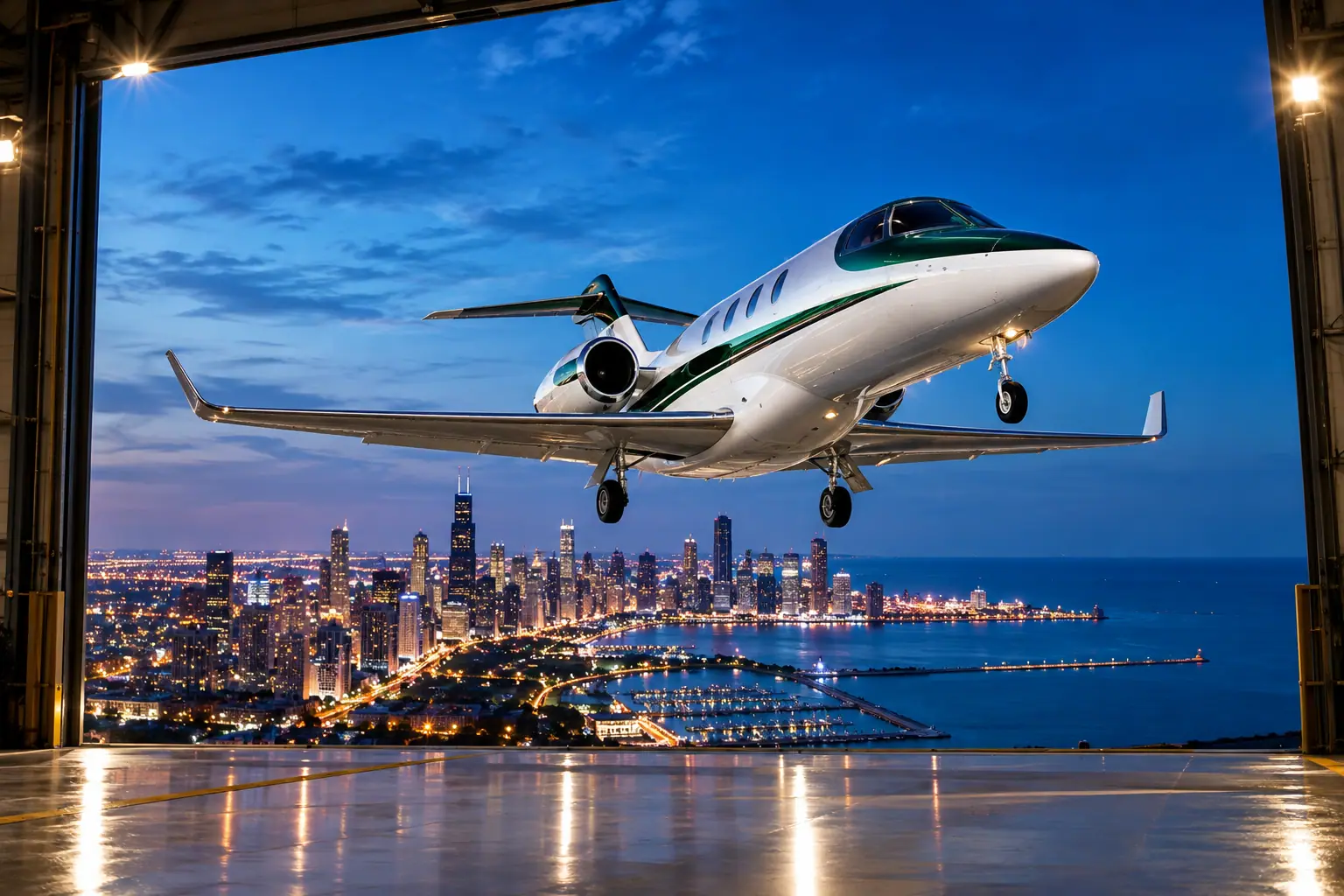
Chicago → San Antonio
- 2h 31m
- $9,500–$14,500
- 911 nm
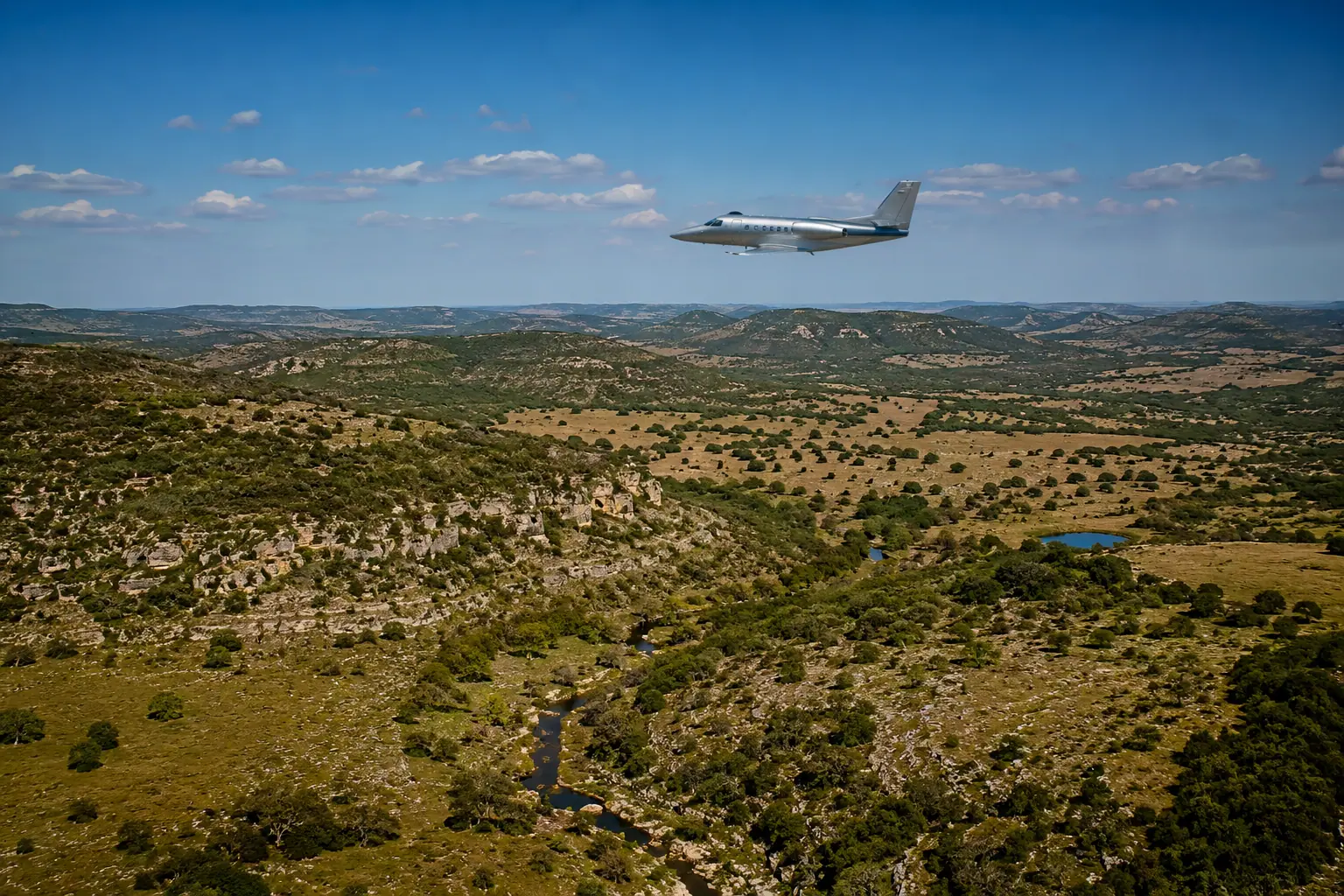
San Francisco → San Antonio
- 4h 12m
- $16,000–$24,500
- 1,292 nm
Philadelphia → San Antonio
- 4h 16m
- $16,000–$25,000
- 1,320 nm
Questions about this route
How long is a private jet Los Angeles to San Antonio flight?
A light jet flies the 1,061 nm route in about 2 hours 53 minutes. A midsize jet takes about 2 hours 50 minutes, while a super-midsize or heavy jet covers it in about 2 hours 40 minutes. Turboprops need roughly 4 hours 1 minute. These are block times, and actual flight time varies with winds, routing and aircraft type.
What does a private jet Los Angeles to San Antonio cost?
Light jet pricing runs from $11,000 to $17,000 for the one-way trip. Midsize jets start around $14,500, super-midsize around $19,000 and heavy jets around $25,500. Turboprops are the lowest entry at $9,000 to $14,000. All figures are estimates and depend on date, aircraft availability and whether you book one-way or round trip.
Which airports serve private jet Los Angeles to San Antonio flights?
In Los Angeles, Van Nuys (VNY), Burbank (BUR) and LAX are the main options. In San Antonio, San Antonio International (SAT) has an 8,505-foot runway and handles all classes, while Stinson Municipal (SSF) is closer to downtown but limited to a 5,000-foot runway. Castroville (CVB) and Nighthawks Nest (TT45) serve the metro edges.
Can I book a same-day round trip by private jet Los Angeles to San Antonio?
Yes, with planning. A light jet makes the trip in under three hours each way, so a same-day round trip works if you allow a few hours on the ground. Expect to pay for the aircraft to wait or to fly back empty, and some operators charge for the full day. Ask for a quote covering both legs and waiting time.
Are there empty legs available on this route?
Empty legs do appear when operators reposition aircraft between Los Angeles and San Antonio, but they are never guaranteed and usually require flexible dates. The savings against a standard charter can be substantial. Set up empty-leg alerts or ask your broker to watch the 1,061 nm leg if your schedule can move.
What aircraft are best for a private jet Los Angeles to San Antonio trip?
Light jets like the HondaJet Elite II and Citation CJ4 Gen2 fit this 1,061 nm route best. They carry five to seven passengers, cruise fast enough for a sub-three-hour flight and cost far less than larger classes. Midsize jets add cabin space and baggage capacity, but at a higher price for a trip this length.